Why Pets Fear Vacuum Cleaner Noise (And What Helps)
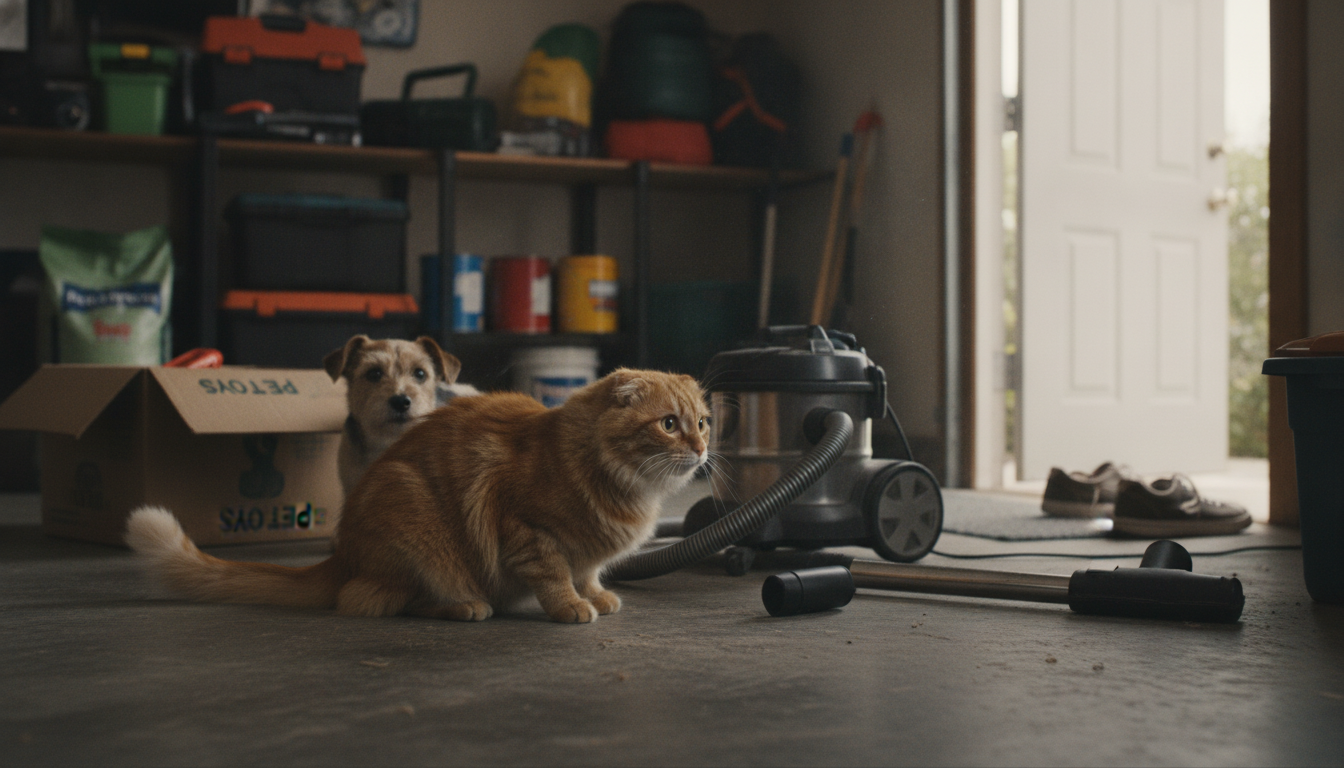
Why do some pets get scared of the vacuum cleaner noise?
Answer
Many pets react to a vacuum cleaner because it’s a perfect storm of things animals are wired to notice: loud sound, sudden movement, unfamiliar vibrations, and an object that seems to “chase” across the floor. Dogs and cats hear higher frequencies than people do, so the vacuum can sound harsher and more intense to them than it does to humans.
Beyond the volume, vacuums produce low, rumbling vibrations that travel through the floor and can feel threatening or disorienting. Some pets also dislike the unpredictable start-and-stop pattern, especially if the vacuum comes out only occasionally. When something appears rarely and then makes a big sensory impact, it’s harder for an animal to categorize it as safe.
Past experiences matter, too. A pet that has been bumped by the vacuum, startled as a puppy/kitten, or repeatedly cornered while cleaning may associate the machine with danger. Breed and personality can influence reactions as well: noise-sensitive dogs, anxious cats, and pets lacking early exposure to household sounds are more likely to show fear.
If a pet is frightened, common signs include hiding, trembling, panting, drooling, pinned-back ears, wide eyes, growling, swatting, or trying to herd/attack the vacuum. For some animals, that “attack” response is still fear-based—they’re trying to make the scary thing go away.
For deeper detail on what the sound, movement, and vibration mean to pets (and what tends to make the reaction better or worse), see the full guide here: Why do some pets get scared of the vacuum cleaner noise?
For Why Pets Fear Vacuum Cleaner Noise (And What Helps), the best answer depends on fit, material, care instructions, and how the product will be used day to day.
FAQ
How can I help my pet stay calm while I vacuum?
Create distance and choice: give them a quiet room, start the vacuum farther away, and pair the sound with high-value treats at a level they can tolerate. Gradual, positive exposure over days or weeks works better than forcing them to “get used to it” in one session.










Leave a comment