Self-Love & Worthiness Meditations: Confidence and Calm
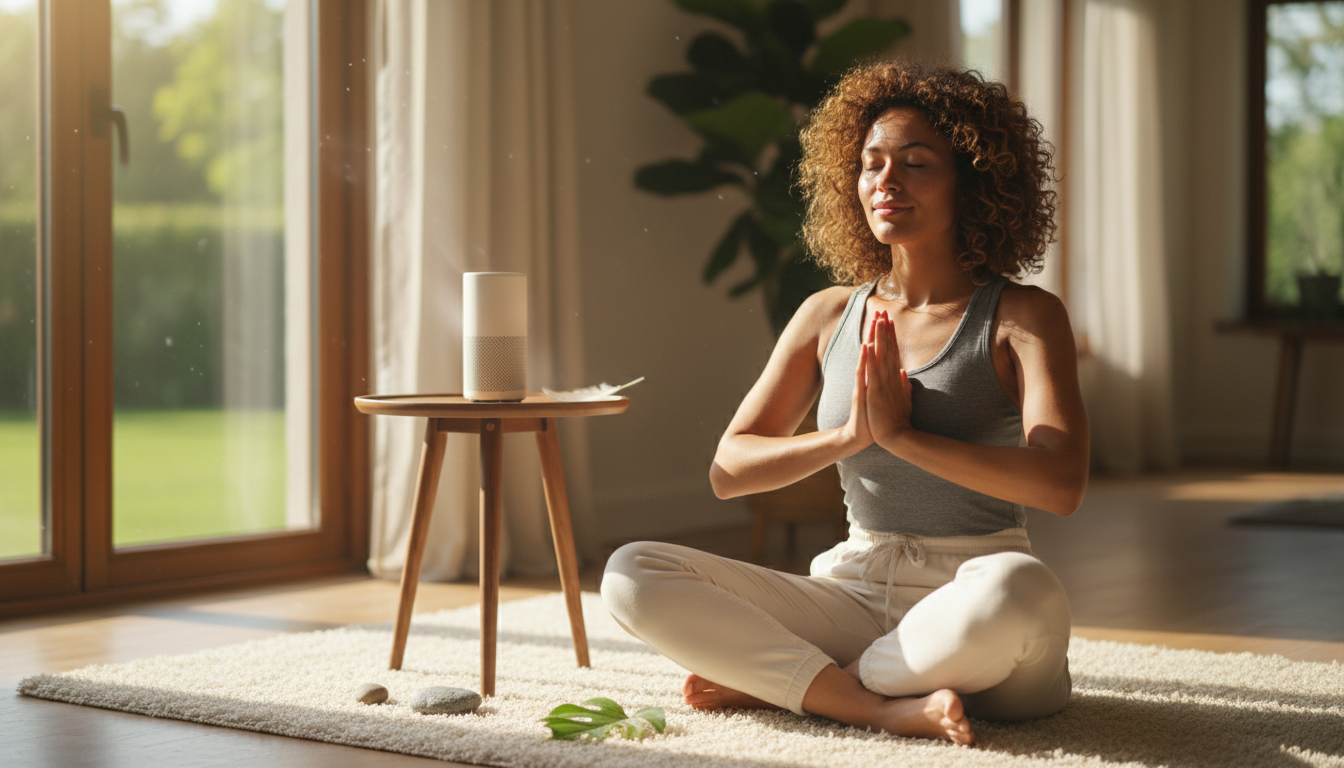
Meditations for Self-Love & Worthiness: Confidence, Calm, and Inner Healing Through Guided Audio
Feeling “not enough” can show up as overthinking, people-pleasing, or a constant pressure to prove worth. A structured audio practice can help retrain attention, soften self-criticism, and build steady inner safety. Guided meditations, affirmations, and mindfulness work best when they are consistent, practical, and easy to return to on busy days.
What self-love and worthiness practices actually change
Self-love isn’t a personality trait you either have or don’t—it’s a set of skills you can practice, especially when you’re stressed. Over time, those skills change how you respond internally (your self-talk) and externally (your choices and boundaries).
- Self-love is a skill set: self-kindness, boundaries, and a supportive inner voice—especially during stress.
- Worthiness work targets “earning” beliefs: the idea that love, rest, or success must be paid for through perfection.
- Mindfulness builds choice: noticing thoughts and body sensations without immediately believing or obeying them (see the APA overview of mindfulness).
- Guided audio reduces decision fatigue: the practice is “pre-made,” which makes follow-through more likely on low-energy days.
- Your nervous system learns a calmer default: repetition teaches your body to downshift more quickly, supporting confidence and emotional steadiness.
A simple framework: meditate, affirm, integrate
When self-worth feels shaky, the most helpful approach is often the most straightforward: regulate first, then reframe, then take a small aligned action. This keeps the practice grounded in real life rather than becoming another “should.”
- Meditate: settle the body first (breath, grounding, or body scan) so the mind has a stable base.
- Affirm: introduce supportive statements when the nervous system is receptive; focus on believable, present-tense language.
- Integrate: take one small action that matches the new belief (a boundary, a rest break, a kind self-check-in).
- Use repetition: self-worth grows through consistent cues, not one “perfect” session.
- Track one measurable shift weekly: sleep quality, reactivity, self-talk tone, or ability to say no.
Common inner patterns and supportive practice matches
| Pattern that shows up | What it feels like | Practice focus | One-minute reset |
|---|---|---|---|
| Harsh self-criticism | Tight chest, spiraling thoughts | Self-compassion + breath | Hand on heart + slow exhale x 6 |
| Imposter feelings | Racing mind, comparison | Worthiness affirmations | Name 1 strength + 1 effort made today |
| People-pleasing | Anxiety before saying no | Boundaries + grounding | Feel feet on floor + choose one clear sentence |
| Rest guilt | Rest feels unsafe | Safety cues + permission | Repeat: “Rest supports me” while relaxing shoulders |
| Emotional numbness | Disconnected, low motivation | Body scan + gentle presence | Notice 3 sensations without judging |
Guided meditations for confidence and calm
Confidence and calm aren’t about never feeling fear, stress, or doubt. They’re about building the capacity to stay present with discomfort, then return to center without spiraling into self-judgment.
- Confidence grows through capacity: the body learns it can stay with discomfort without collapsing into self-doubt.
- Calm is a skill: not forced relaxation, but the ability to come back after activation.
- Match the session to the moment: short grounding for acute stress, longer practices for deeper healing.
- Pair audio with a consistent cue: morning routine, commute, lunch break, or wind-down.
- If emotions surface, prioritize safety: slow the breath, open the eyes, and orient to the room; for general guidance on meditation, see NCCIH’s meditation overview.
Using affirmations without bypassing real feelings
- Acknowledge reality: affirmations work best when they guide the next step instead of denying pain.
- Use bridge statements: “I’m learning to trust myself,” “I’m open to believing I’m enough.”
- Anchor words to the body: breathe, relax the jaw, unclench the hands, soften the belly—so the statement becomes a felt experience.
- Repeat in low-stakes moments: walking, showering, before sleep—frequency builds familiarity.
- Meet resistance with compassion: self-compassion practices (like those described by Greater Good’s self-compassion resources) help reduce shame and soften the inner critic.
A weekly rhythm for inner healing that fits real life
Audio course spotlight: Meditations for Self-Love & Worthiness
If you want a structured approach that’s easy to follow without planning sessions from scratch, Meditations for Self-Love & Worthiness | Audio Course is designed to function like an audio-based support system: guided meditations to settle the body, affirmations to reshape self-talk, and mindfulness to build steady awareness.
Supportive add-ons that reinforce the practice
- Build a stronger foundation: better sleep, energy, and stress resilience can make it easier to show up consistently. Whole You: Holistic Wellness Guide supports day-to-day routines that pair well with meditation.
- Bring self-worth into relationships: boundaries often require communication, not just insight. Conflict-Resolution Workbook for Couples can help turn inner clarity into calmer conversations.
- Use a tiny journal prompt after audio: “What did I notice?” “What do I need?” “What’s one kind action now?”
FAQ
How often should guided meditations be done to feel more worthy and confident?
Three to five sessions per week is a realistic starting range, and even 5–10 minutes “counts” when done consistently. If you miss a day, treat it as a simple restart point rather than proof you’re failing.
What if affirmations feel fake or make emotions worse?
Use bridge statements that feel believable (like “I’m learning to trust myself”) and pair them with calming body cues such as slower exhales or relaxing the jaw. If emotions intensify, soften the language and validate what you’re feeling before repeating anything.
Can meditation help with anxiety and self-criticism at the same time?
Yes—mindfulness helps reduce reactivity by teaching you to notice anxious thoughts without immediately spiraling, while compassion-based practices gradually reshape harsh inner talk. If you feel overwhelmed during practice, open your eyes, orient to the room, and return to gentler breathing.












Leave a comment